
LAID BARE JOURNAL
Context over hype.
Beyond the first look.
← BACK TO THE JOURNAL
004 / FASHION · DESIGN · ARCHITECTURE

THE LITTLE BLACK DRESS
IS A MACHINE.

A dress, a car and a bare building. Or: how simplicity became a virtue, and who profited from it.

POST 004BODY · 5 MIN READ
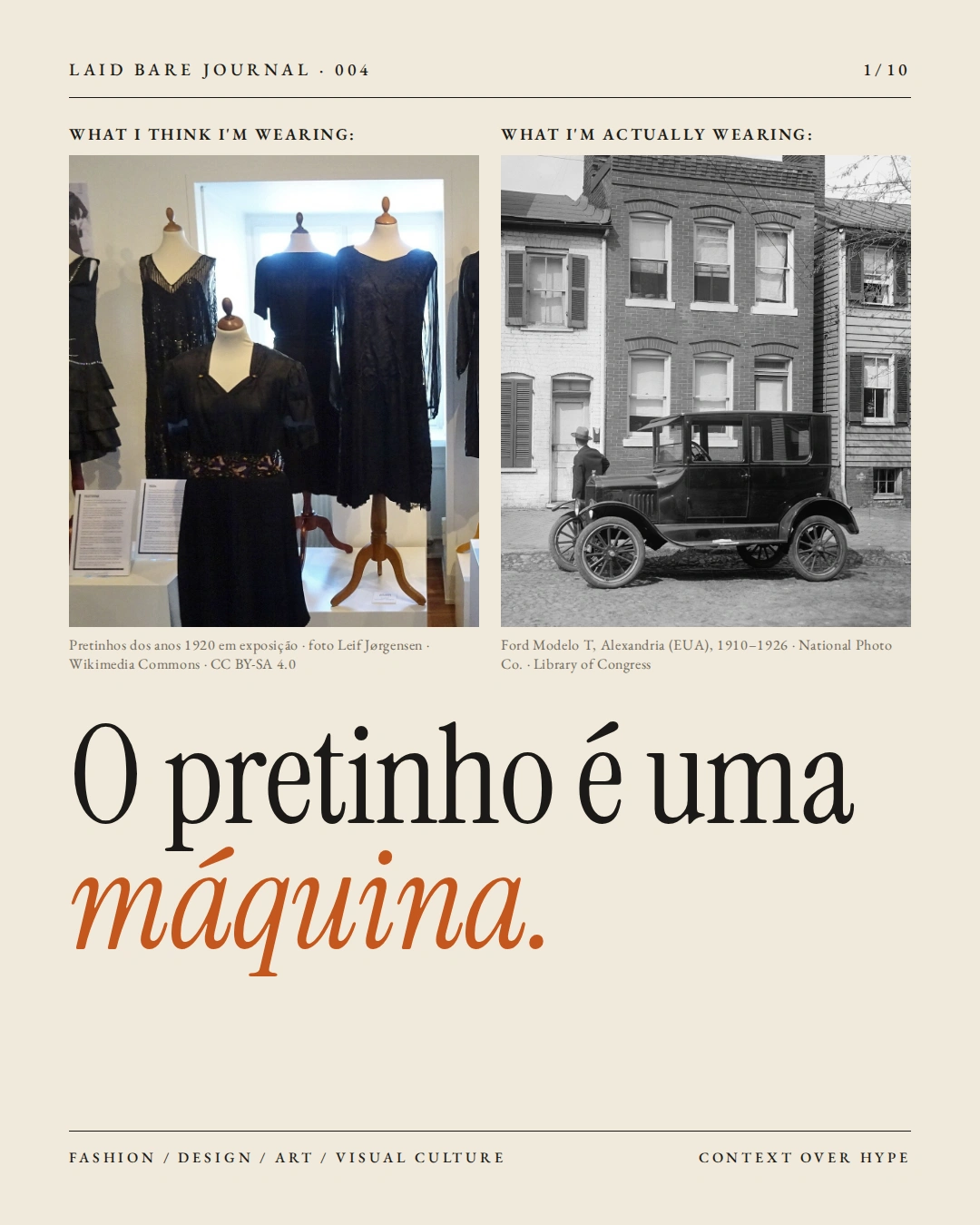
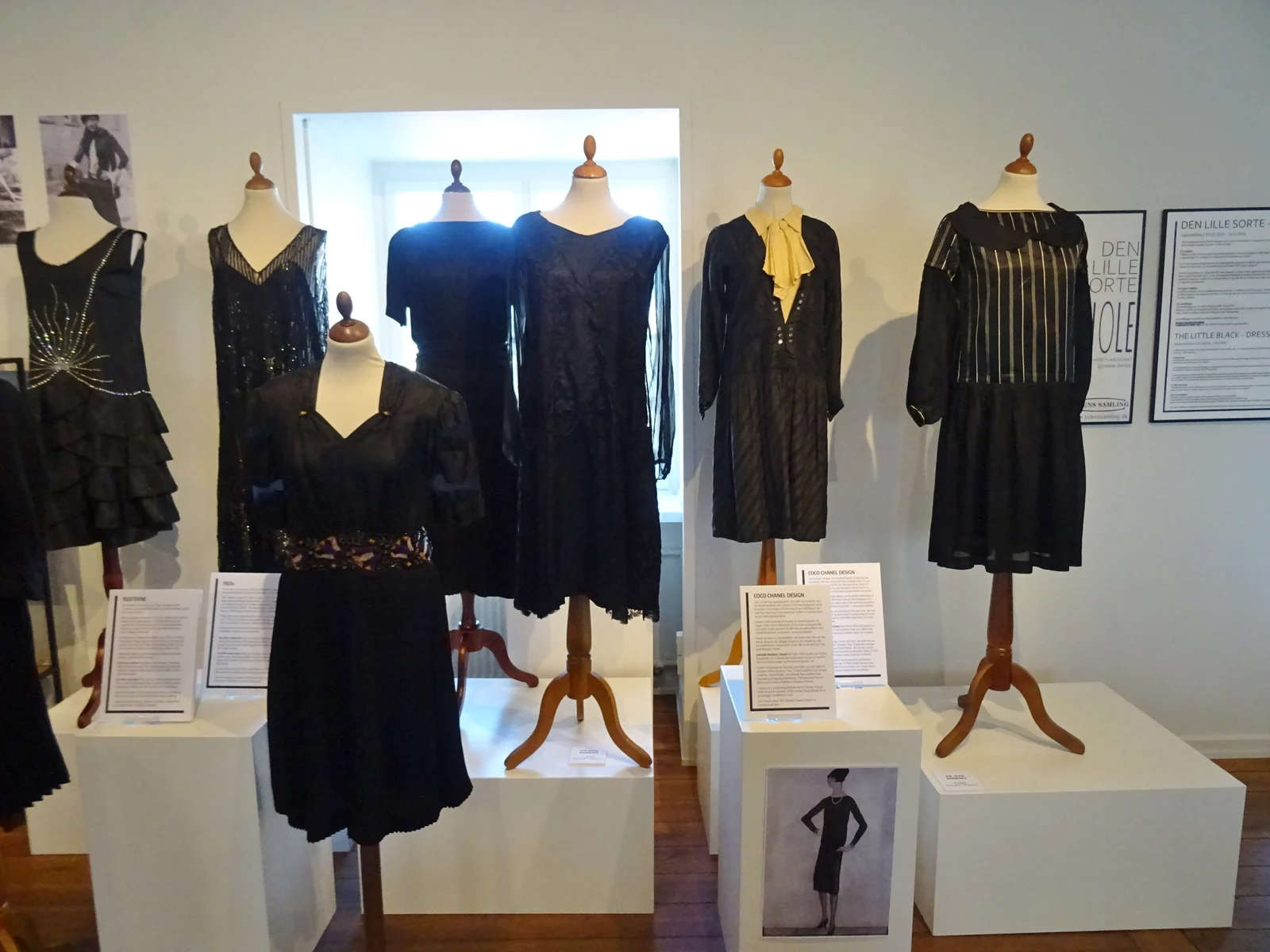
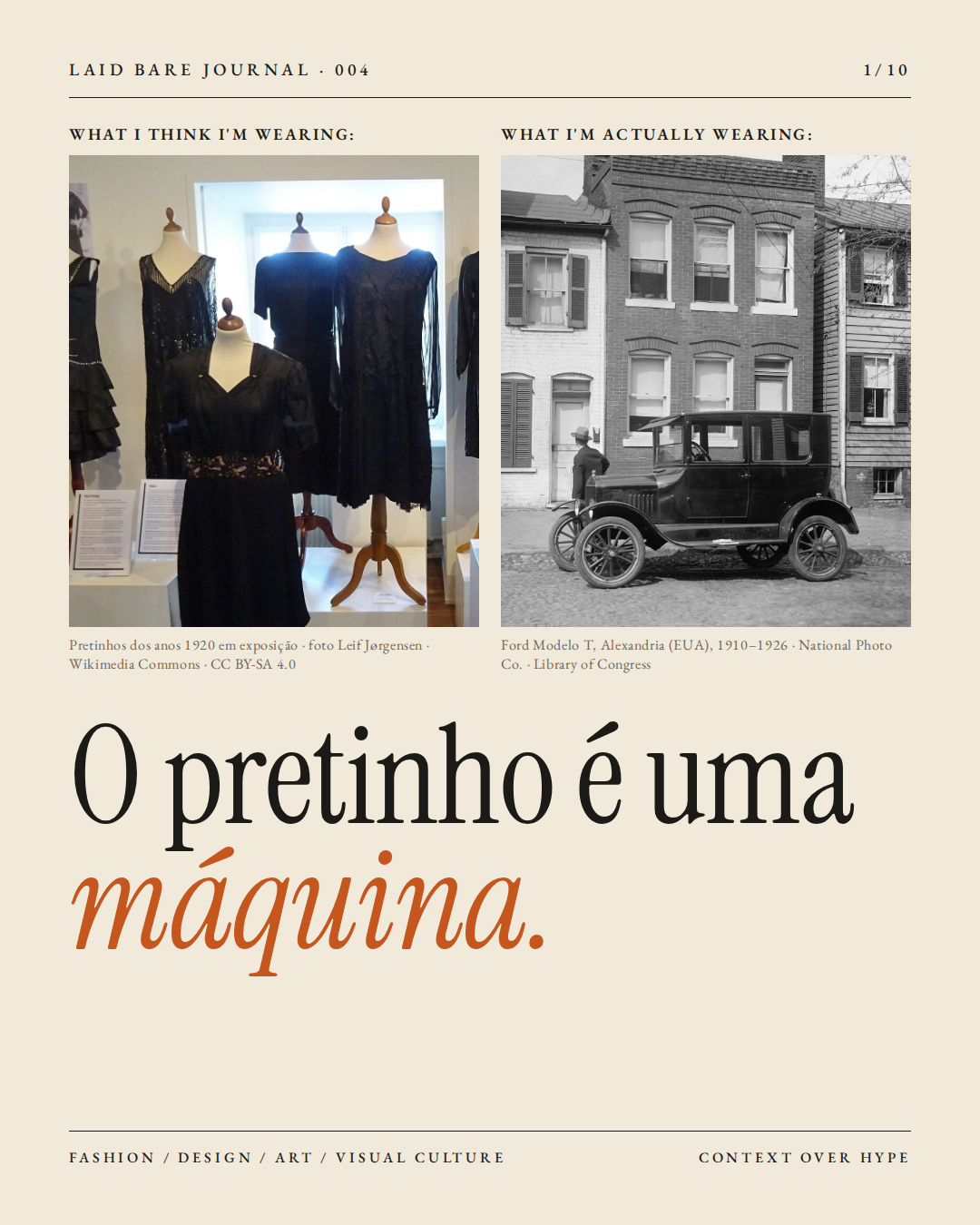
A museum display of short black dresses from the 1920s
Little black dresses from the 1920s on display. Photo: Leif Jørgensen, Wikimedia Commons, CC BY-SA 4.0

You own a black dress. Maybe three. It goes to work, on a date, to a funeral and to the office party without asking for anything in return. “You can’t go wrong,” they say.

But think about it: since when is a colour incapable of going wrong? And who decided what getting it wrong meant?

Spoiler: a car has something to do with it.

New York, 1926: the dress with an engine

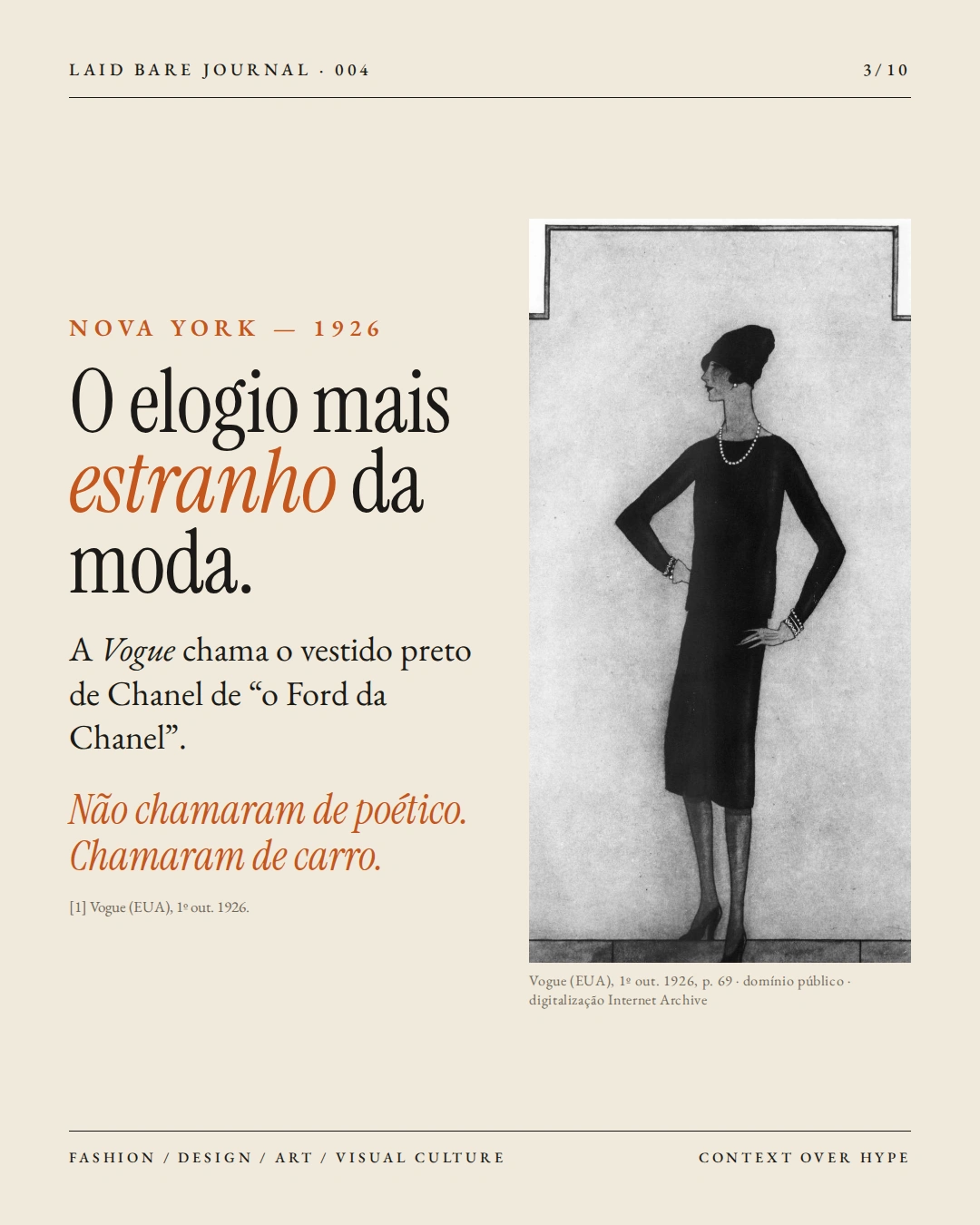
On 1 October 1926, American Vogue publishes a drawing of a black dress by French fashion designer Gabrielle “Coco” Chanel, with long sleeves and a hem just below the knee. The magazine presents it as Chanel’s “Ford”, a dress the whole world would wear. 1
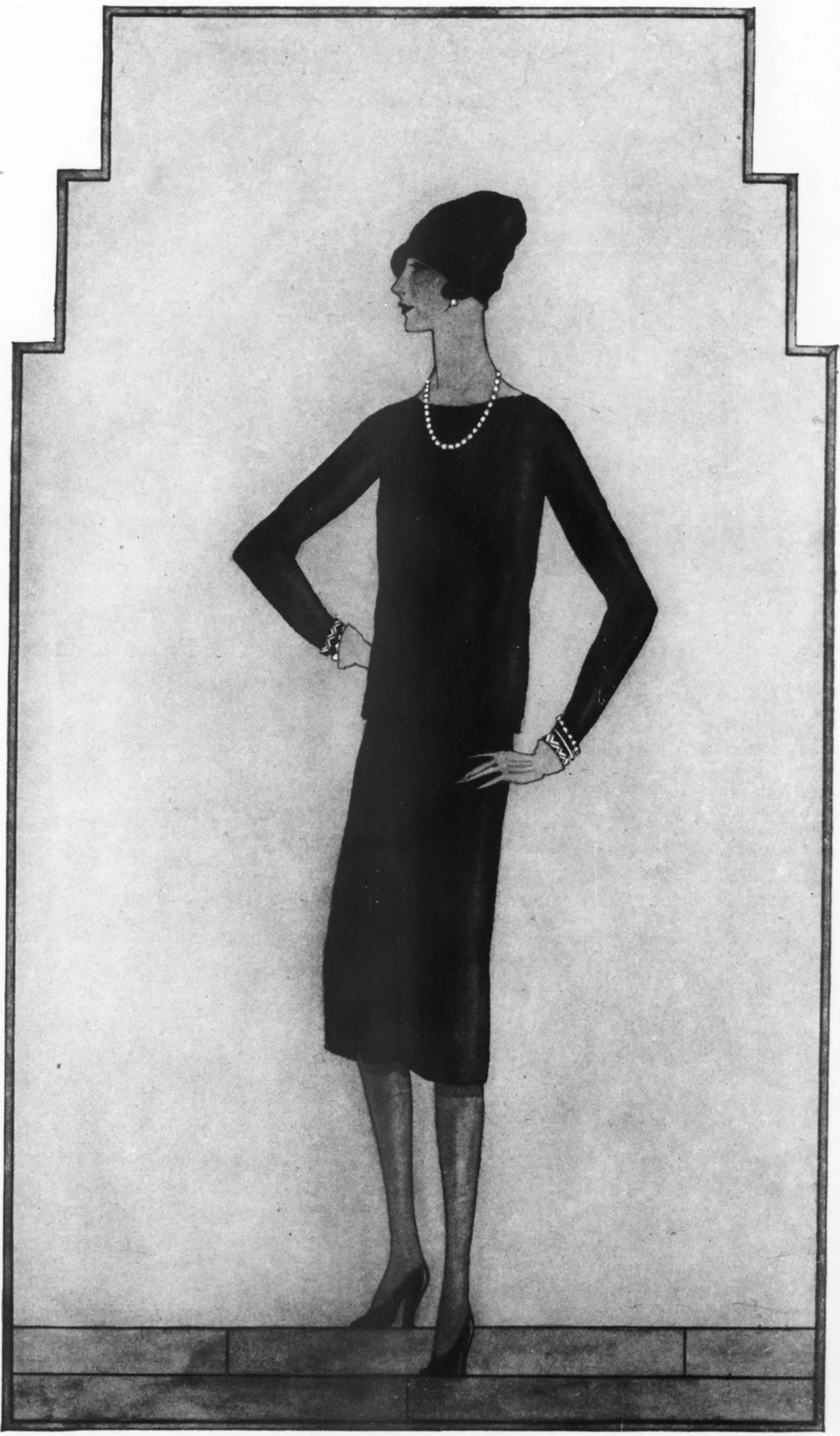
A magazine illustration of a straight black Chanel dress, 1926
Chanel’s “Ford”, model 817 in black crêpe de Chine. Vogue (US), 1 October 1926, p. 69. Public domain, via Internet Archive

Notice the compliment. To introduce a dress, they reached for a car. The comparison promised a recognisable design that could enter many wardrobes. It doesn’t mean Chanel made dresses the way Ford made cars. The magazine was borrowing the prestige of modern production.

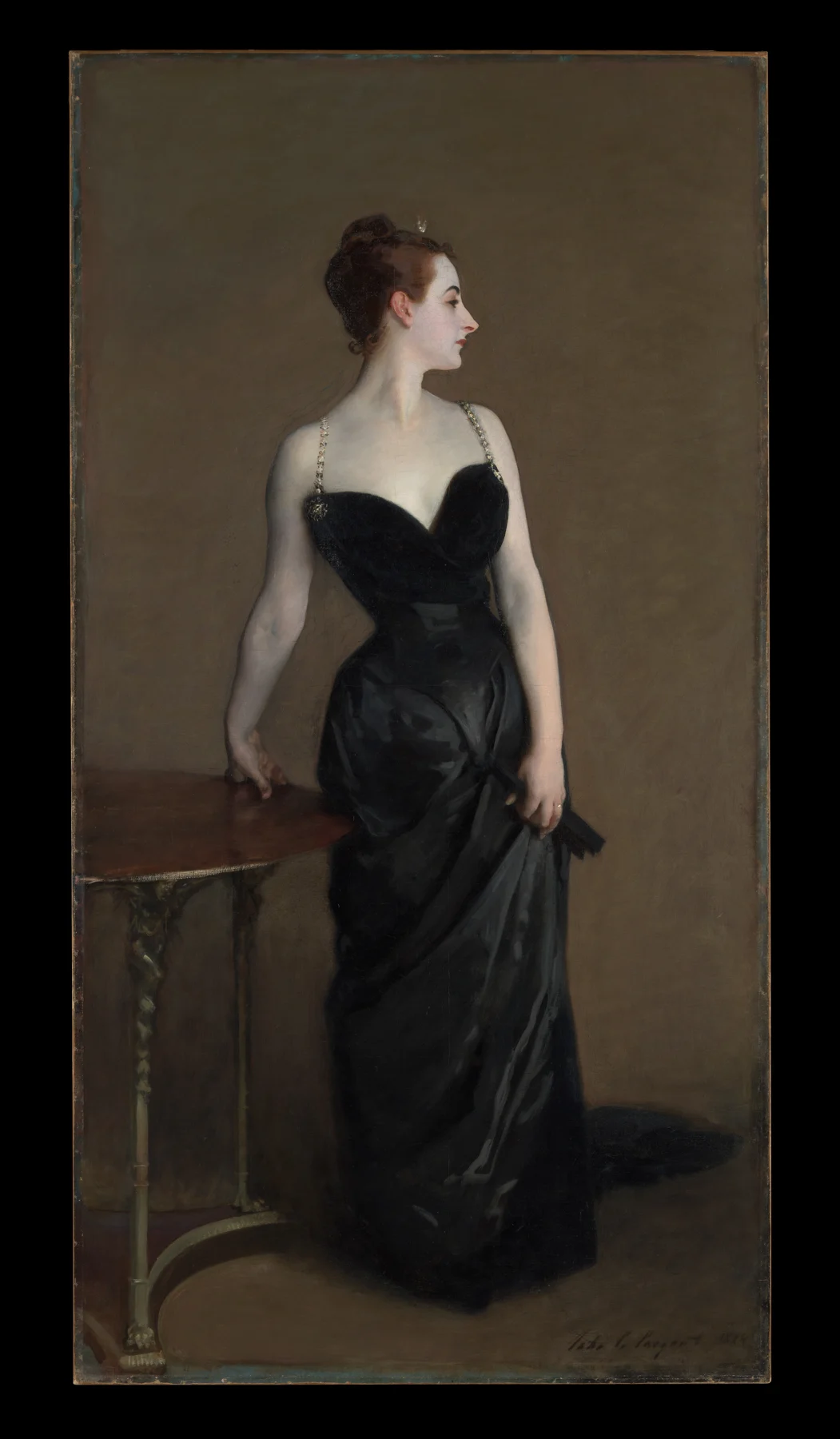
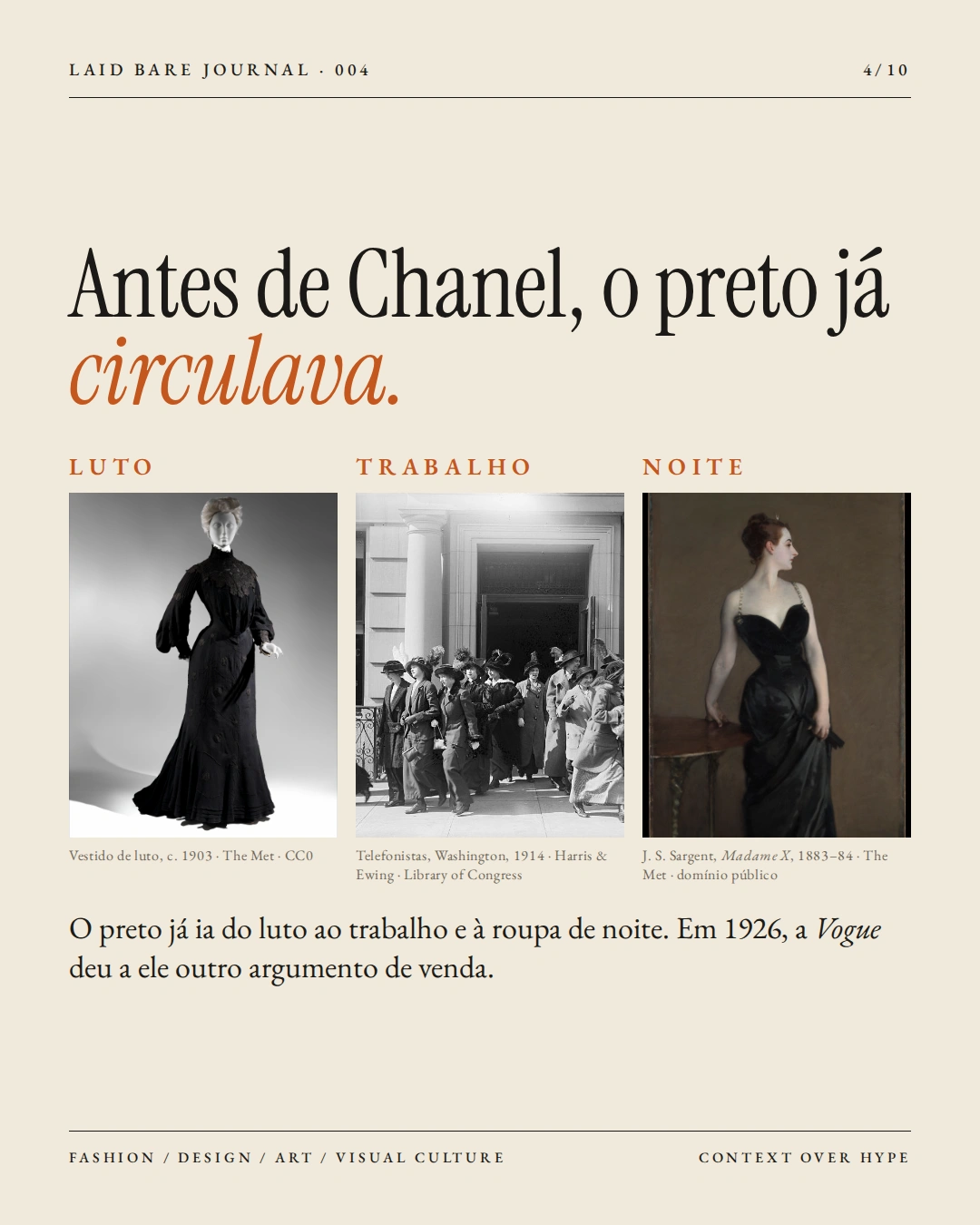
Chanel didn’t introduce black to fashion, either. In Madame X, painted in 1883–84, American artist John Singer Sargent portrayed socialite Virginie Gautreau in a black evening dress. The painting belongs to the Metropolitan Museum of Art in New York. 9 Black already knew its way around a party, thank you.

It also dressed mourning, as a dress from around 1903 in the same museum shows. 12 These two images help undo the convenient story of a colour waiting for Chanel to make it elegant. The 1926 drawing gave enormous visibility to a loose, comfortable black day dress. 10 That is plenty. No need to invent a patent on the colour.
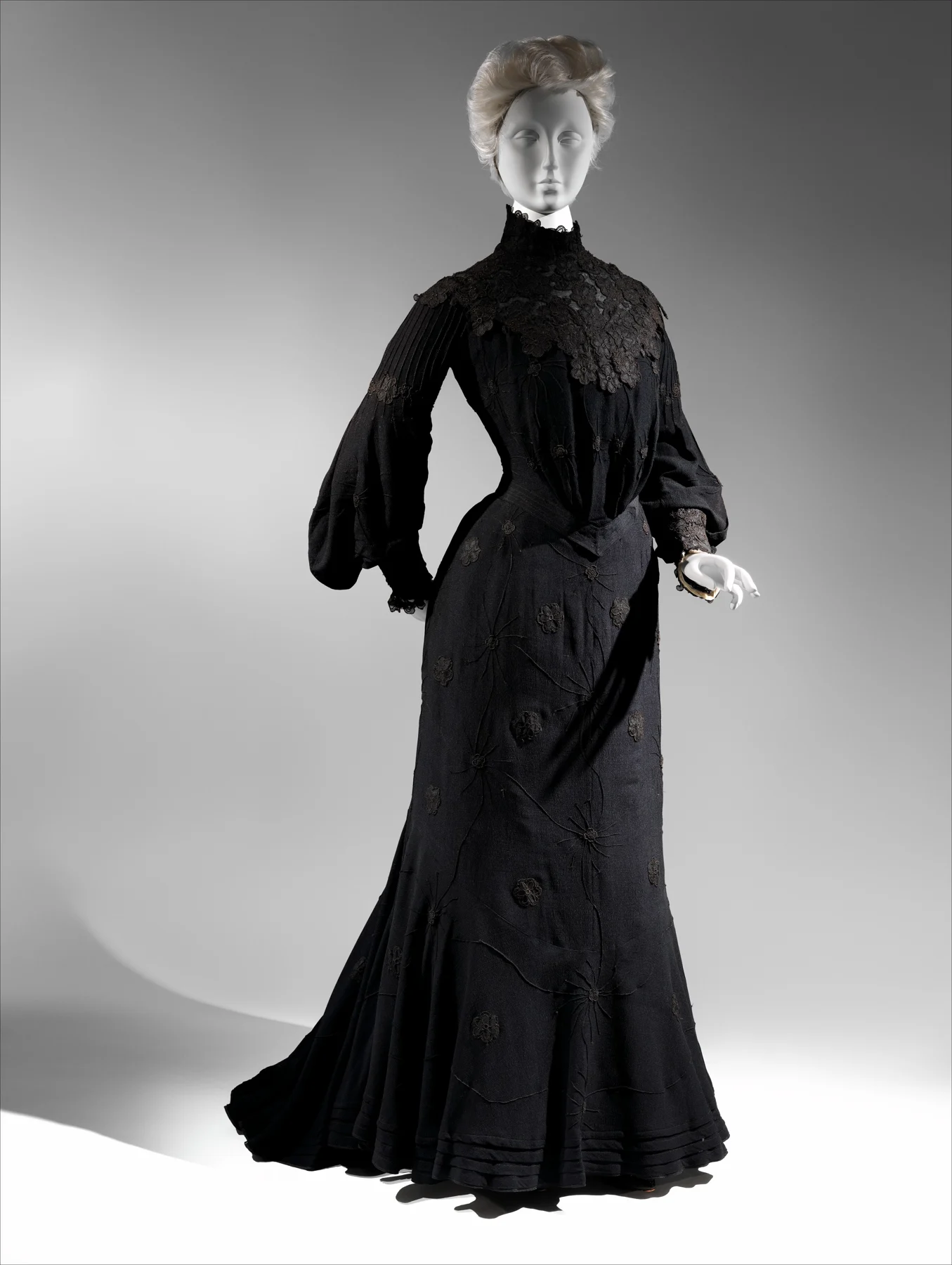
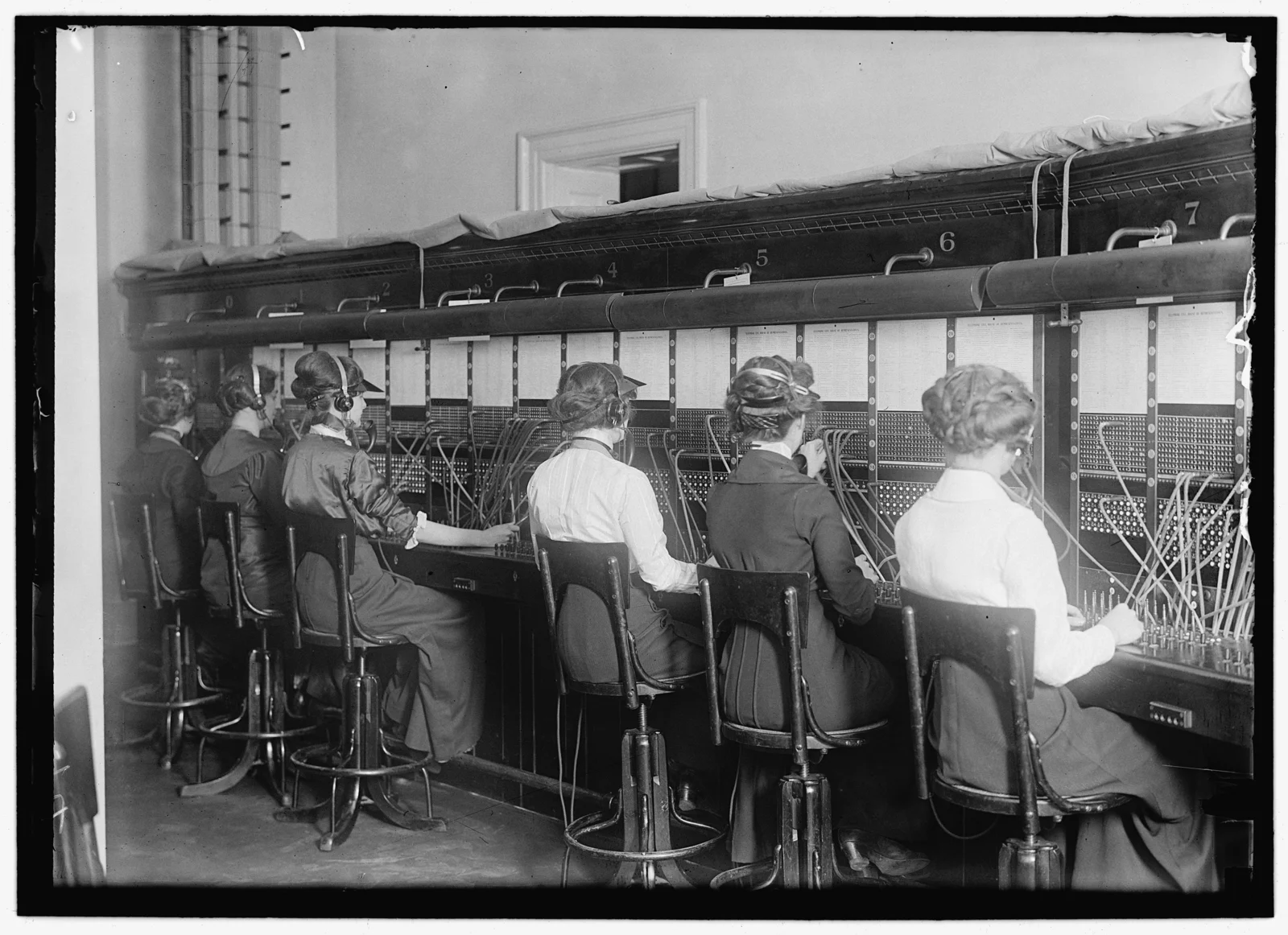
Mourning dress, ca. 1903, The Metropolitan Museum of Art.Telephone operators in Washington, 1914, Library of Congress.Madame X, by John Singer Sargent, 1883–84.
Before Chanel: mourning dress, ca. 1903 (The Met, CC0), telephone operators in Washington, 1914 (Harris & Ewing, Library of Congress) and Madame X by John Singer Sargent, 1883–84 (The Met, public domain)

Paul Poiret, the French fashion designer known for his turbans and extravagant creations, is said to have teased Chanel: “Well, Mademoiselle, who are you in mourning for?” “For you, dear Monsieur!” she supposedly replied. The exchange circulates as a possibly apocryphal anecdote. 2 In the version that survived, Poiret tried to laugh at the dress and ended up in the coffin.

Before burying him altogether, let’s give him some credit: in 1906, Poiret was already designing clothes without a corset, as the Metropolitan documents. 11 Chanel contributed to a transformation that had begun earlier. Fashion history gets much more interesting when it doesn’t have to fit inside a single brand’s biography.

Detroit, 1914: any colour, as long as it’s black

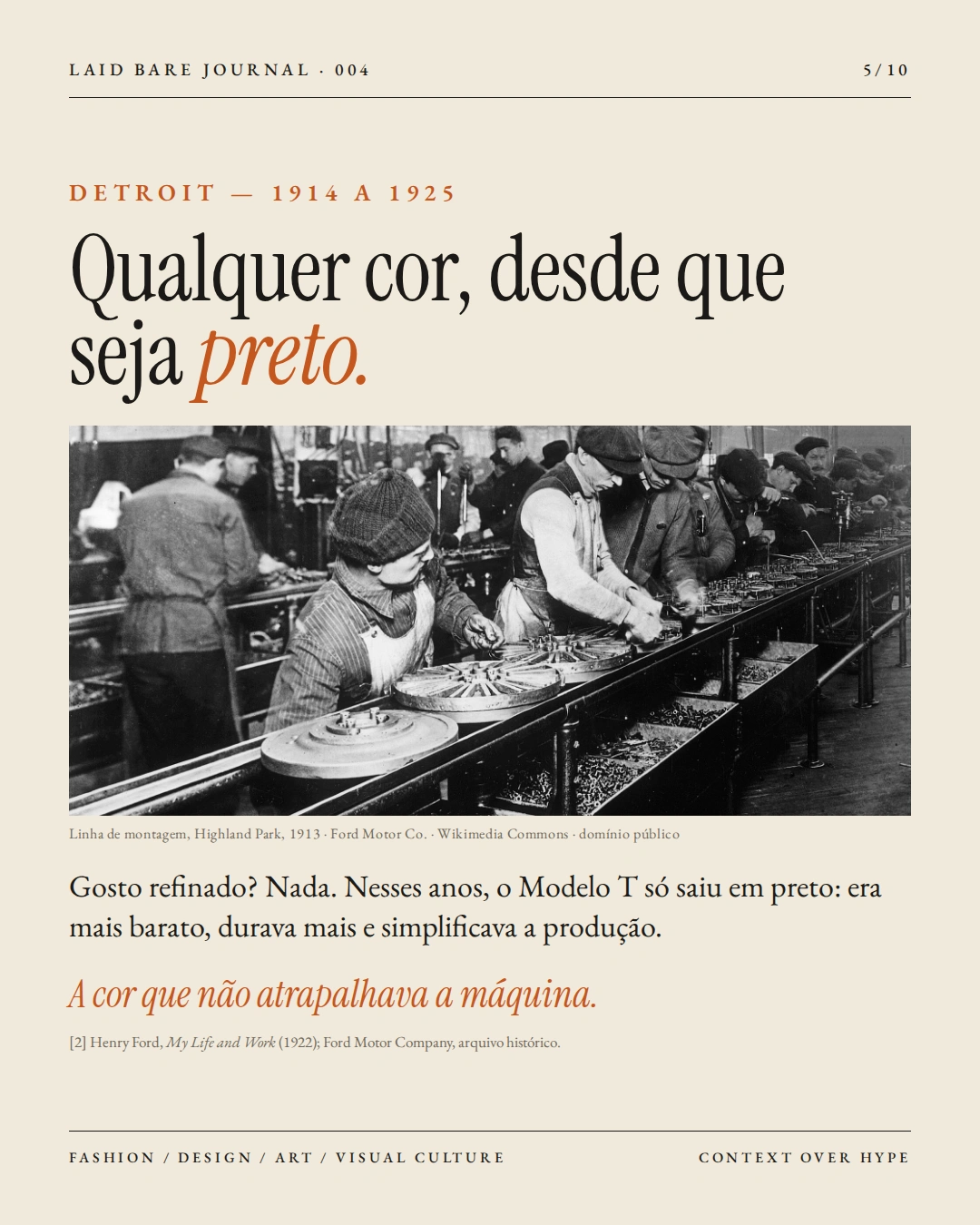
The Ford Model T became a symbol of large-scale production. In My Life and Work, published in 1922 with Samuel Crowther, American industrialist Henry Ford wrote that customers could have the car in any colour they wanted, “so long as it is black”. 3
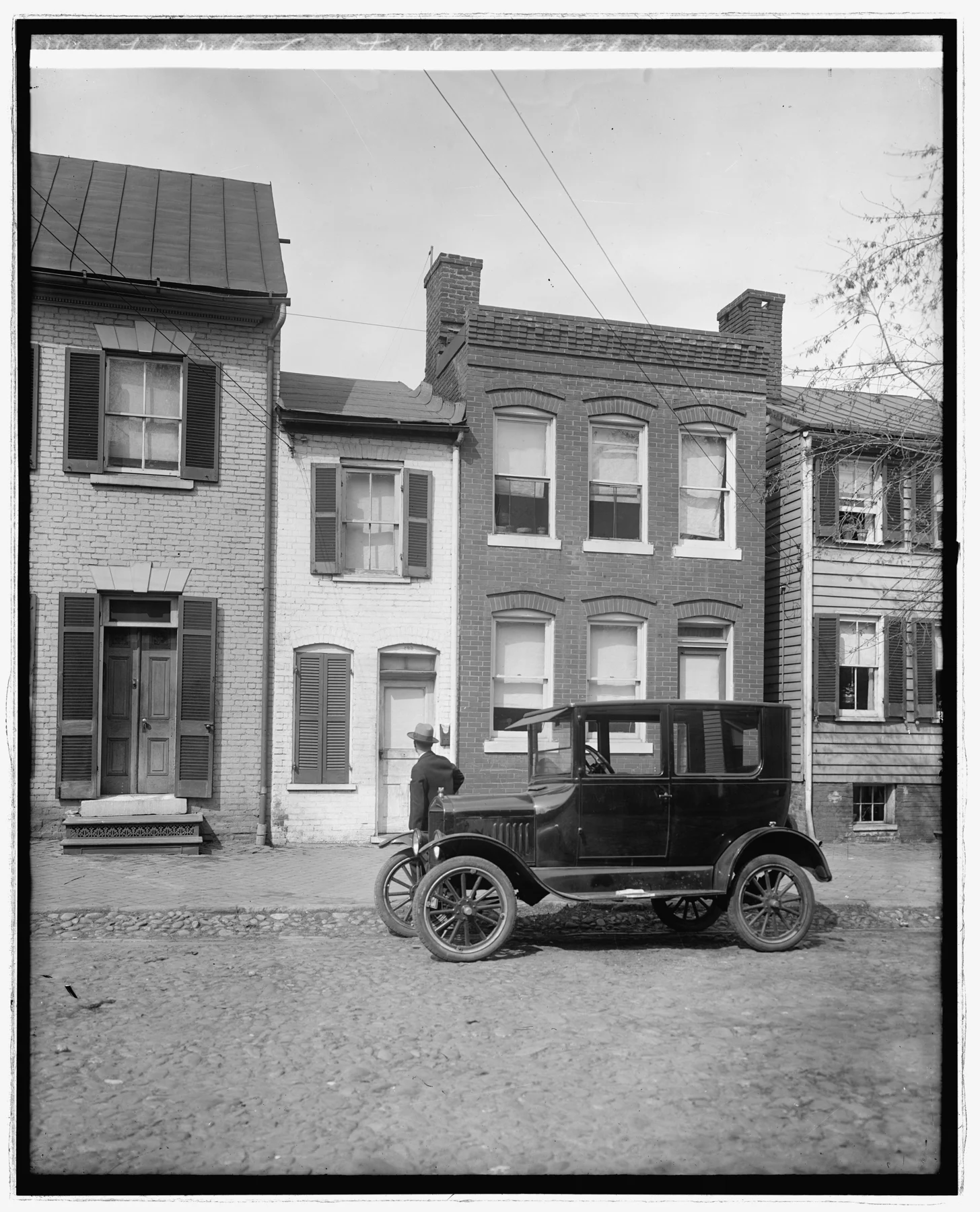
A black Ford car parked in front of a house
Ford Coupe in Alexandria, Virginia, 1910–1926. National Photo Company, Library of Congress

Between 1914 and 1925, black was the only colour offered for the Model T, according to The Henry Ford museum. 4 The story of the faster-drying paint became almost as famous as the car. But a good story cannot replace evidence.

Bob Casey, then the museum’s transportation curator, explains the choice through cost, durability and the convenience of using one paint. He found no evidence that black dried faster than the dark blues and greens used earlier. 8

The reason was the factory, not taste. Black was the colour that didn’t get in the machine’s way.
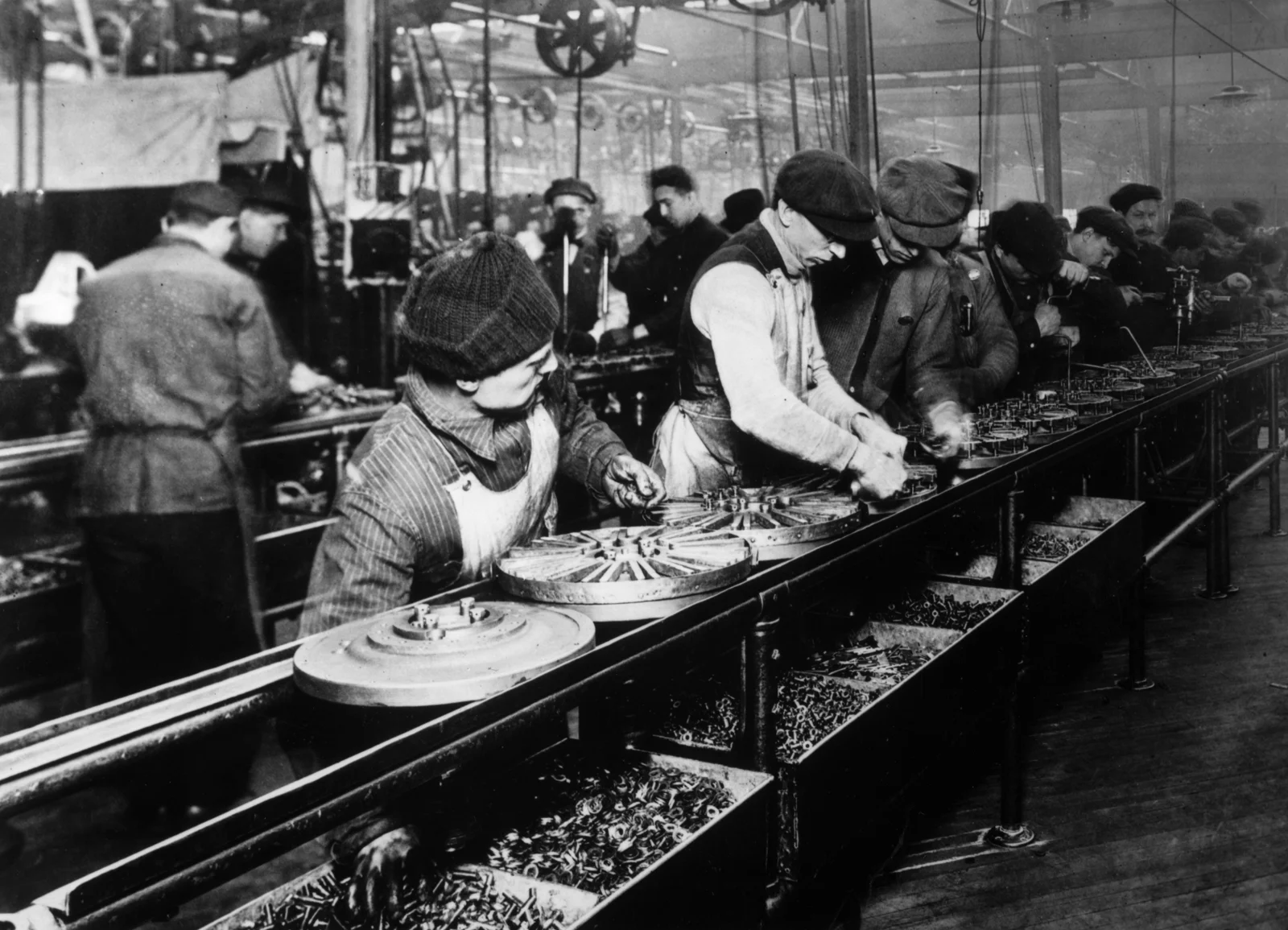
Workers assembling cars in series in a factory
Ford assembly line at Highland Park, 1913. Public domain, Wikimedia Commons

This is why Vogue’s comparison interests me. It brings a garment’s elegance close to an industrial product’s efficiency. The word “simple” works in both conversations. Comparing the two doesn’t erase their differences in production and use.

Vienna, 1910: the building without eyebrows

In a 1910 lecture in Vienna, Austrian architect Adolf Loos presents the argument that would become known as Ornament and Crime: inventing new ornament wasted labour and resources. This didn’t mean banning all decoration. He still allowed historical ornament where he considered it appropriate. 5 The title had rather less patience than the explanation.

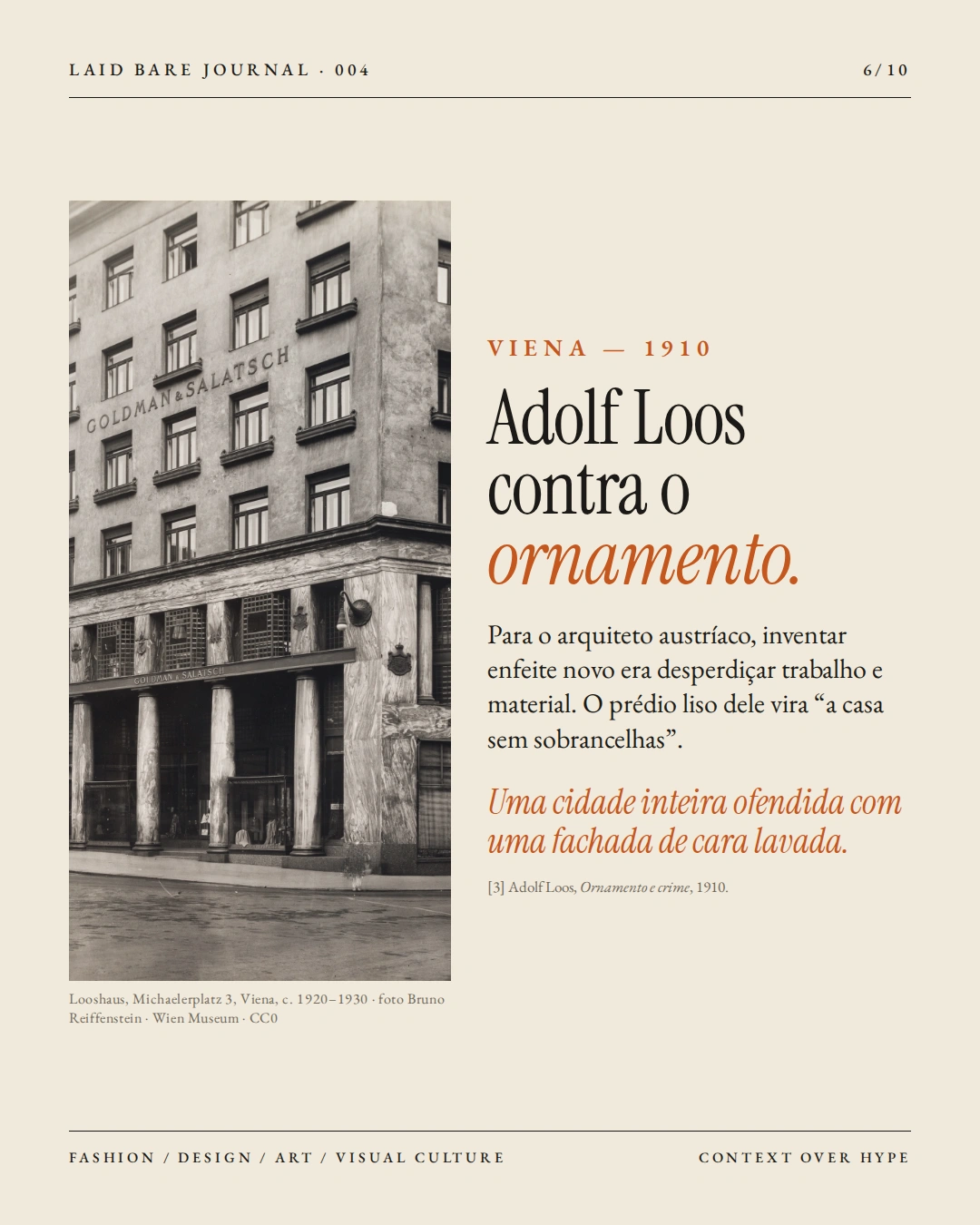
Around the same time, Loos designed the Goldman & Salatsch tailoring firm’s building opposite the imperial palace. Its plain upper floors and windows without decorative frames provoked such disapproval that the authorities stopped construction. The nickname “the house without eyebrows” is attributed to Emperor Franz Joseph. 6 Apparently even a window needed to dress up to meet His Majesty.
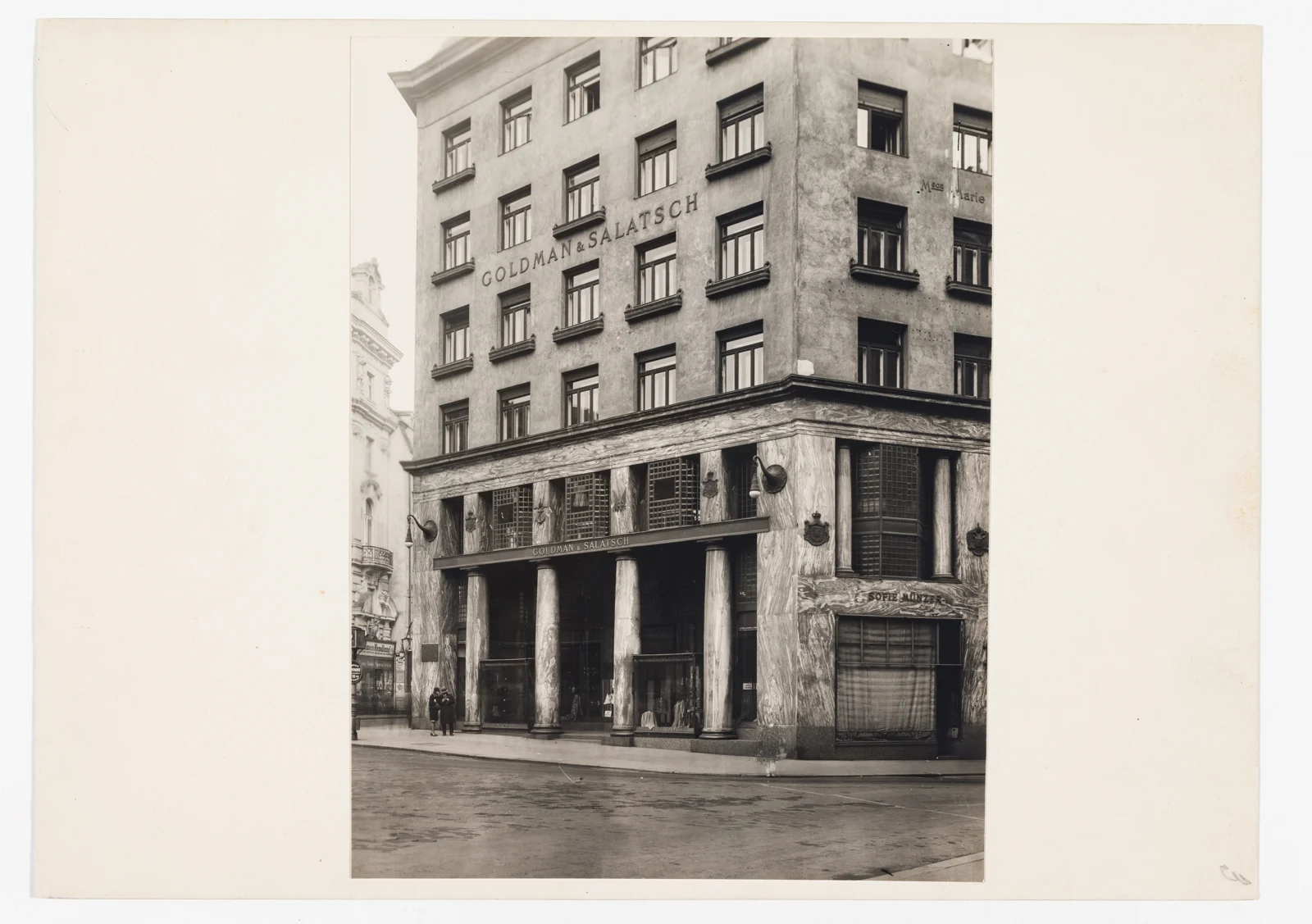
A building with a smooth façade and unframed windows in a Vienna square
Looshaus, Michaelerplatz 3, Vienna, ca. 1920–1930. Photo: Bruno Reiffenstein, Wien Museum, CC0 [7]

Now look at the lower part: marble and columns. The shop served an exclusive clientele. 6 Loos had removed the window frames, not the address’s luxury.

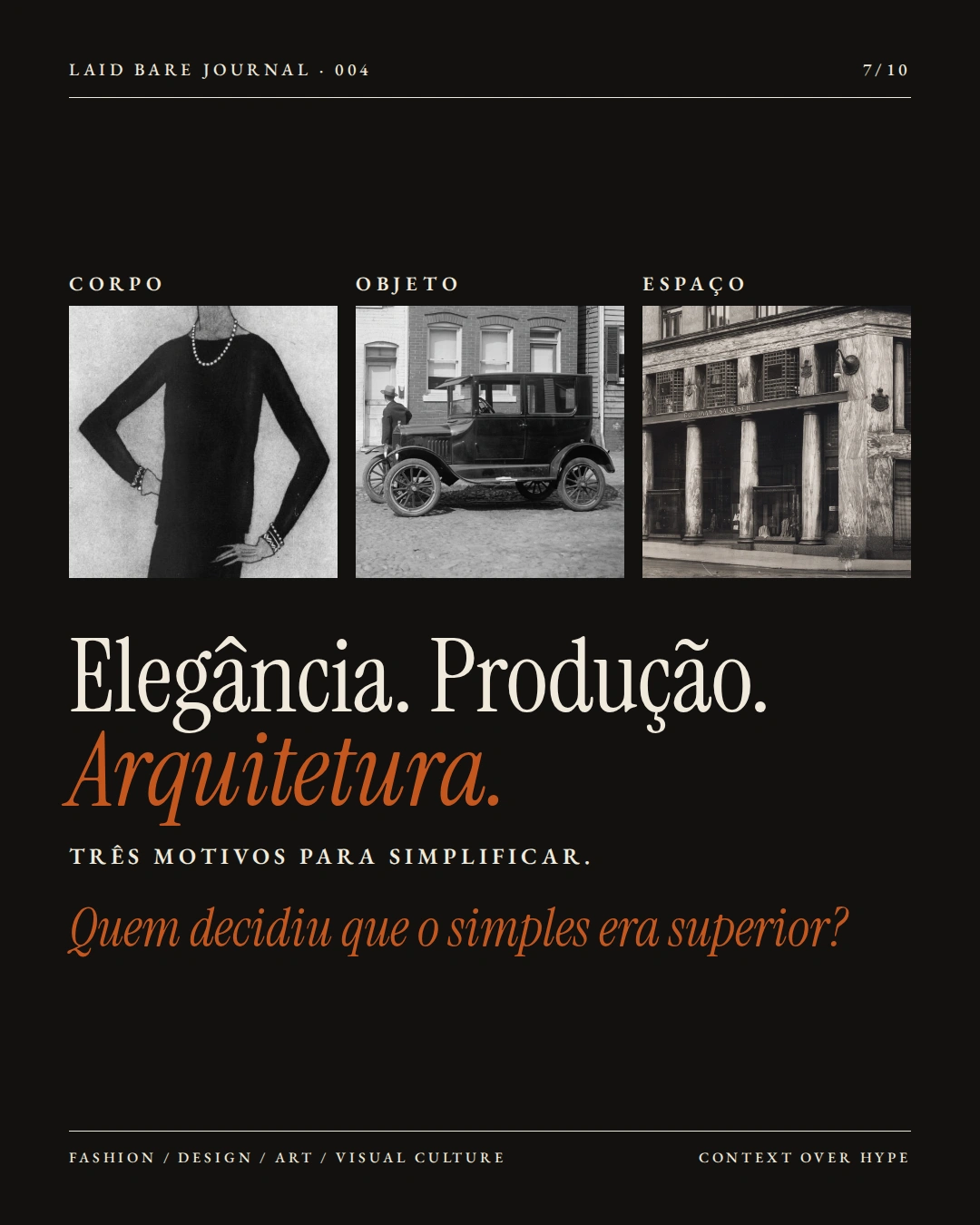
I bring these three cases together because each gives simplicity a different job. In the magazine, it promises elegance. In the factory, it makes production easier. On the façade, it challenges an expectation about how an important building should look. This wasn’t a coordinated project. It is a comparison that helps us question an apparently innocent word.

OK. But why does this matter?

Because we tend to treat “basic” as a choice that needs no explanation. But even a black dress comes with a history. And when a magazine promises that the whole world will wear it, it is also trying to teach that world what to want.

These histories don’t turn every simple outfit into a trap. A capsule wardrobe, with a few pieces that work together, can make life easier. A loose dress can be more comfortable. The trouble begins when a preference acquires an air of superiority: understated becomes a synonym for intelligent; decorated, for bad taste. Who handed out those marks?
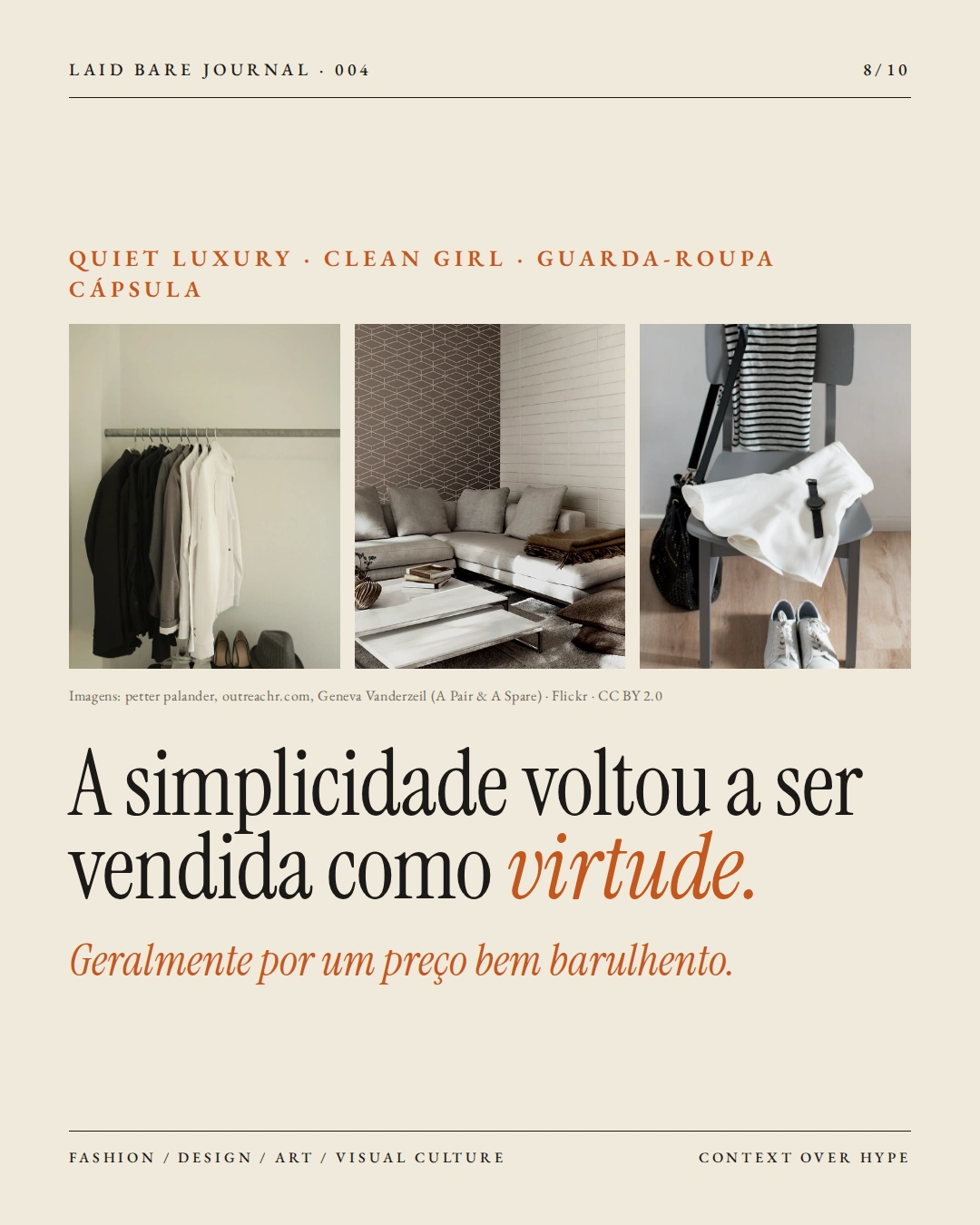
A minimalist wardrobe and a living room in beige tones
Quiet luxury today. Photos: petter palander, outreachr.com and Geneva Vanderzeil (A Pair & A Spare), Flickr, CC BY 2.0

It’s a useful question when your feed serves up quiet luxury, luxury without conspicuous branding, or the clean girl look, carefully arranged to appear effortless. They aren’t copies of the 1926 dress or of Loos’s building. But when restraint is packaged as proof of good taste, I want to know exactly what is for sale. Silence knows how to advertise, too.

Nobody needs to give up black. It’s beautiful. But it helps to know when we’re choosing and when we’re simply obeying elegantly.

To take with you

Next time you reach for black “because you can’t go wrong”, ask: what mistake am I so afraid of making? And who taught me to fear it?

Context over hype. Beyond the first look.
SOURCES & FURTHER READING

Sources and further reading.

  1. 01
    Vogue / Internet Archive

    Vogue (US), 1 October 1926, p. 69. Illustration by Main Rousseau Bocher and the caption for model 817, described as Chanel’s “Ford”.

    OPEN SOURCE ↗
  2. 02
    Lynn Yaeger / The Atlantic

    “The King Is Dead”, September 2007. Retells the exchange between Poiret and Chanel as possibly apocryphal.

    OPEN SOURCE ↗
  3. 03
    Henry Ford / Samuel Crowther

    My Life and Work (1922), chapter IV. Ford’s statement about offering the car in any colour, as long as it was black.

    OPEN SOURCE ↗
  4. 04
    The Henry Ford

    “A Significant Car on an Important Roster”. History of the Model T and black as the only colour offered between 1914 and 1925.

    OPEN SOURCE ↗
  5. 05
    National Gallery of Victoria

    The Language of Ornament, curatorial labels, 2016, PDF p. 7. Contextualises Adolf Loos’s 1910 lecture and distinguishes his objection to new ornament from his use of historical ornament.

    OPEN SOURCE ↗
  6. 06
    Wien Geschichte Wiki / Cidade de Viena

    “Looshaus”. Municipal record of the project, façade, construction stoppage and nickname attributed to Franz Joseph.

    OPEN SOURCE ↗
  7. 07
    Wien Museum

    Bruno Reiffenstein, 1., Michaelerplatz 3 – Looshaus, ca. 1920–1930. Inv. 79000/8879. Photograph released under CC0.

    OPEN SOURCE ↗
  8. 08
    Bob Casey / The Henry Ford

    Oral history interview, 20 January 2011. Answers beginning at 01:24:45 and 01:26:08: black paint’s cost, durability and drying time.

    OPEN SOURCE ↗
  9. 09
    John Singer Sargent / The Metropolitan Museum of Art

    Madame X (Virginie Amélie Avegno Gautreau), 1883–84. Oil on canvas, inv. 16.53. Visual evidence of a black evening dress before Chanel.

    OPEN SOURCE ↗
  10. 10
    National Museums Scotland

    “100 years of the little black dress”. Chanel’s 1926 black day dress and its reception.

    OPEN SOURCE ↗
  11. 11
    Andrew Bolton e Harold Koda / The Metropolitan Museum of Art

    “Paul Poiret (1879–1944)”, 2008. Documents Poiret’s corset-free clothes in 1906 and other designers’ participation in that transformation.

    OPEN SOURCE ↗
  12. 12
    The Metropolitan Museum of Art

    Mourning dress, United States, ca. 1903, inv. 2009.300.6441a, b. Visual evidence of black mourning dress.

    OPEN SOURCE ↗
CONTINUE THE STORY

The little black dress, in motion.

A dress, a car and a building. Watch the fourth Laid Bare Journal post on Instagram.

9:41
‹Reels
Cover of the post: The Little Black Dress Is a Machine.
laidbarejournal The little black dress is a machine. A dress, a car and a bare building…
⌂⌕+▷
VIEW THE REEL ON INSTAGRAM ↗READ: THE FUTURE HAS A MEMORY ↗VIEW ALL ARTICLES ↗BACK TO THE HOME PAGE ↗
Watch the video here · Portuguese
Video credits
  • “Breakfast at Tiffany’s” (1961), trailer · Paramount · public domain in the US · Wikimedia Commons
  • Vogue (US), 1 October 1926, p. 69 · public domain · Internet Archive (sim_vogue_1926-10-01_68_7)
  • Little black dresses from the 1920s · photo by Leif Jørgensen · CC BY-SA 4.0 · Wikimedia Commons
  • Ford Model T, Alexandria (US) · National Photo Co. · Library of Congress (2016825529)
  • Gabrielle Chanel, 1928 · unknown author · public domain · Wikimedia Commons
  • Mourning dress, ca. 1903 · The Met (173462) · CC0
  • Telephone operators, Washington, 1914 · Harris & Ewing · Library of Congress (2016865242)
  • Madame X (1883–84), by John Singer Sargent · The Met (12127) · public domain
  • “Fig Leaves” (1926), by Howard Hawks · Fox · public domain · Internet Archive
  • Ford Animated Weekly, 1914 · Ford Motor Co. · National Archives · Internet Archive (fc-fc-440a-g)
  • Assembly line, Highland Park, 1913 · public domain · Wikimedia Commons
  • Adolf Loos · photo by Franz Löwy · public domain · Wikimedia Commons
  • Looshaus, ca. 1920–1930 · photo by Bruno Reiffenstein · Wien Museum (79000/8879) · CC0
  • Flickr, CC BY 2.0: petter palander, outreachr.com, Geneva Vanderzeil (A Pair & A Spare)
  • Feed: CC0 and public-domain images · Openverse
  • Money video: Mixkit (18304) · free licence
  • Narration: Ana Raquel Cunha
View the Portuguese carousel · 10 cards
LAID BARE LETTERS

BEYOND THE
FIRST LOOK.

Get Laid Bare Letters: stories and references from fashion, art, design, architecture and culture, delivered to your inbox. Every so often, when there’s something worth taking your time with.

BACK TO THE TOP ↑